Share

April 2026

Kia Ora

Autumn has arrived in Aotearoa.  This is often a great time to travel around the country, with quieter hotspots and generally mild weather.

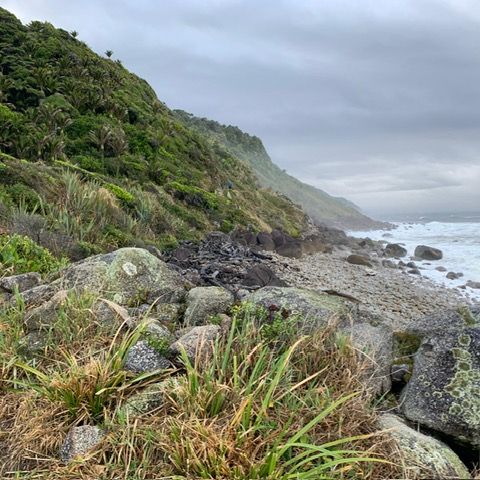
I took the opportunity in late March to hike one of our famous ‘Great Walks’, The Heaphy Track, in the upper South Island.  It turned into quite the adventure with stunning beach and rainforest scenery on the fine days and ‘exciting’ river crossings when the rain set in!

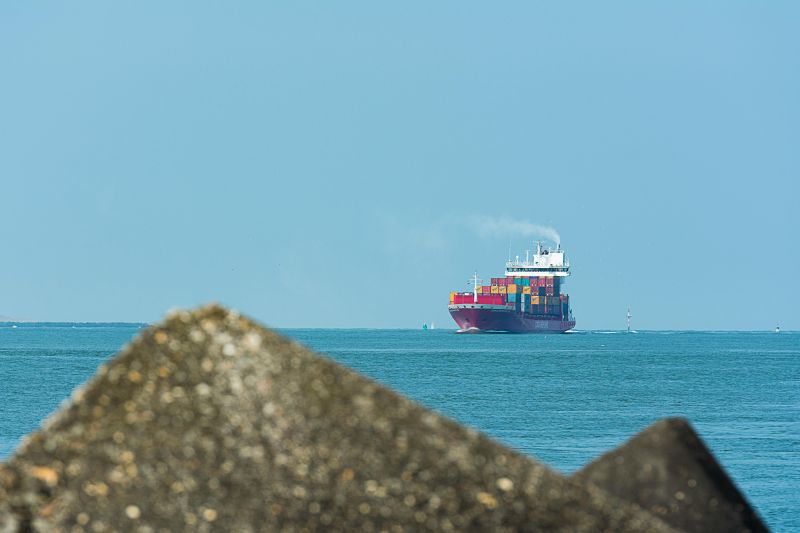
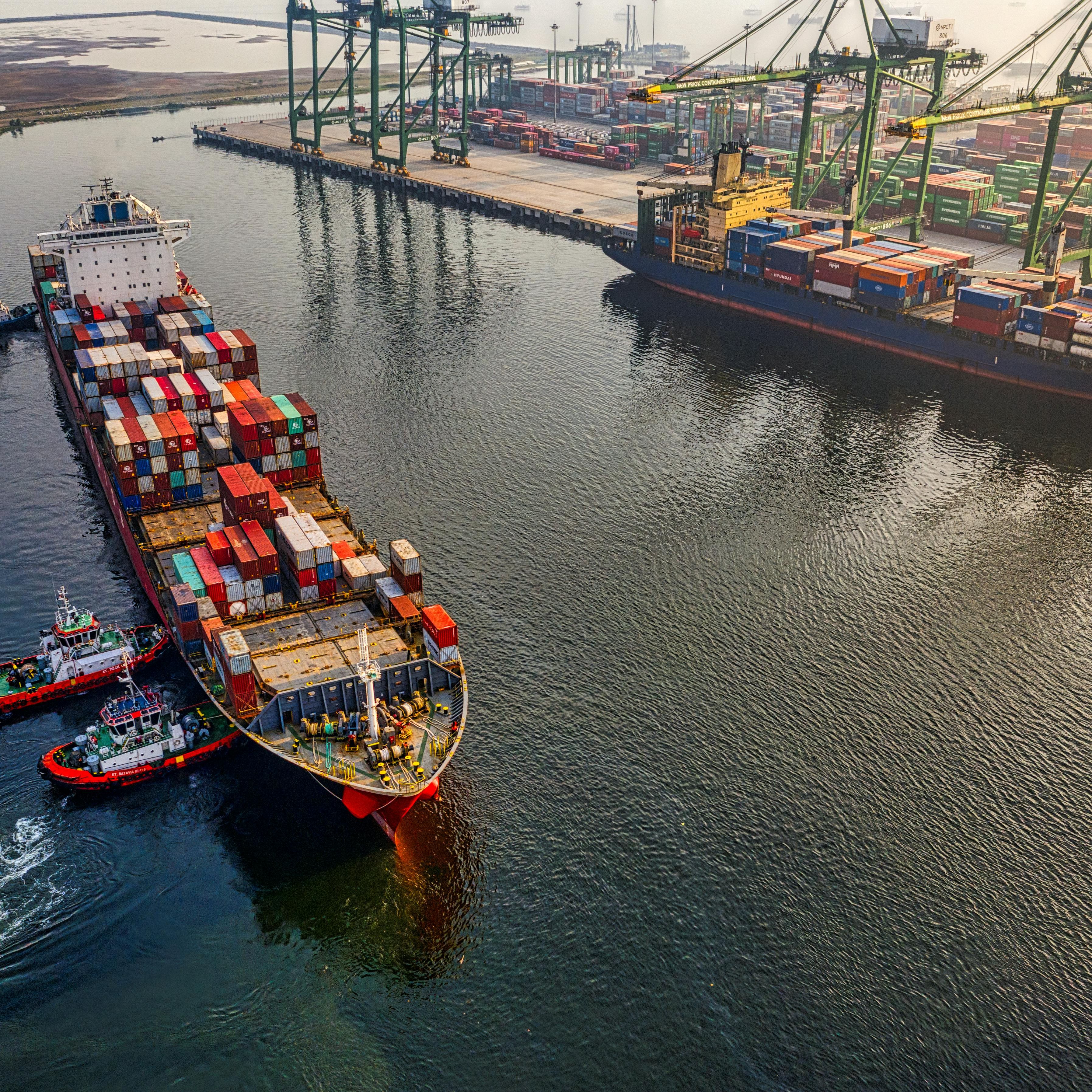
After four refreshing days offline, I returned to the latest developments in global logistics, which are becoming increasingly complex. If you’re planning a move to New Zealand, it’s important to understand how current geopolitical tensions are impacting shipping routes, timing, and costs.

This month, we share practical tips on shipping to New Zealand,  along with insights from shipping expert Matthew Woodley at NZ Van Lines to help you plan with confidence. We also look ahead to winter in New Zealand, and how to make the most of it once you arrive.

Shipping your personal effects to New Zealand

For many people, bringing personal possessions from their home country is a key part of settling into a new place.

NZ is well served by international shippers, but you’ll need to be aware that it is quite an expensive exercise to ship here given the distances involved from most countries.

So it is worth prioritising what you bring, perhaps focussing on sentimental and/or high value possessions rather than needing to bring everything.  The logistics of shipping can be quite daunting – it is not something most people do very often!

Here are some tips on key items to think about or watch out for based on our experience supporting clients relocating to New Zealand from all over the globe.

Navigating New Zealand’s Biosecurity Rules

One of the most common surprises when shipping goods to New Zealand is the strictness of our biosecurity laws.  NZ is known for its clean, green image and reliance on its agriculture, horticulture and tourism sectors so strict controls are maintained against unwanted contaminants, diseases, insects and other pests.

Knowing what lies ahead can protect against delays, unanticipated inspections, cleaning fees, or disposal of items.  The New Zealand authorities are not trying to be difficult so the easier you can make it for them to be sure you’re meeting the requirements the better it is for everyone.

Before you ship:
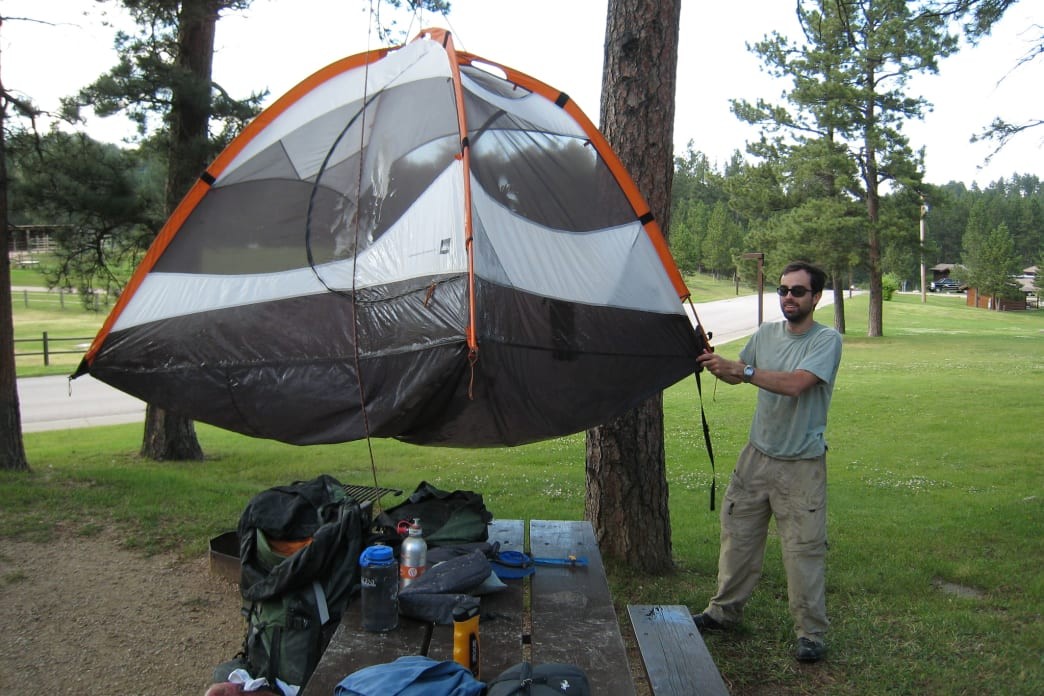
  • Clean all outdoor items thoroughly, making sure there are no soil, seeds, or organic matter left behind

  • Vehicles and outdoor equipment are frequently flagged for biosecurity inspection and must be thoroughly cleaned prior to shipping

  • Don’t pack restricted materials, including:
    • Untreated wood
    • Fresh or perishable food
    • Items made from bamboo, cane, coconut or straw (unless certified)

Arrival timing:
After your shipment arrives in New Zealand, allow additional time for customs clearance and biosecurity inspection. This can take anywhere from a few days to a few weeks depending on the time of year and inspection requirements.

Managing the risks:
Deciding what to ship

Shipping is charged by volume, and so costs can escalate quickly.  It makes sense to ensure that what you're bringing is really worth it.
Increasingly our clients are opting to minimise what they ship for the following reasons:

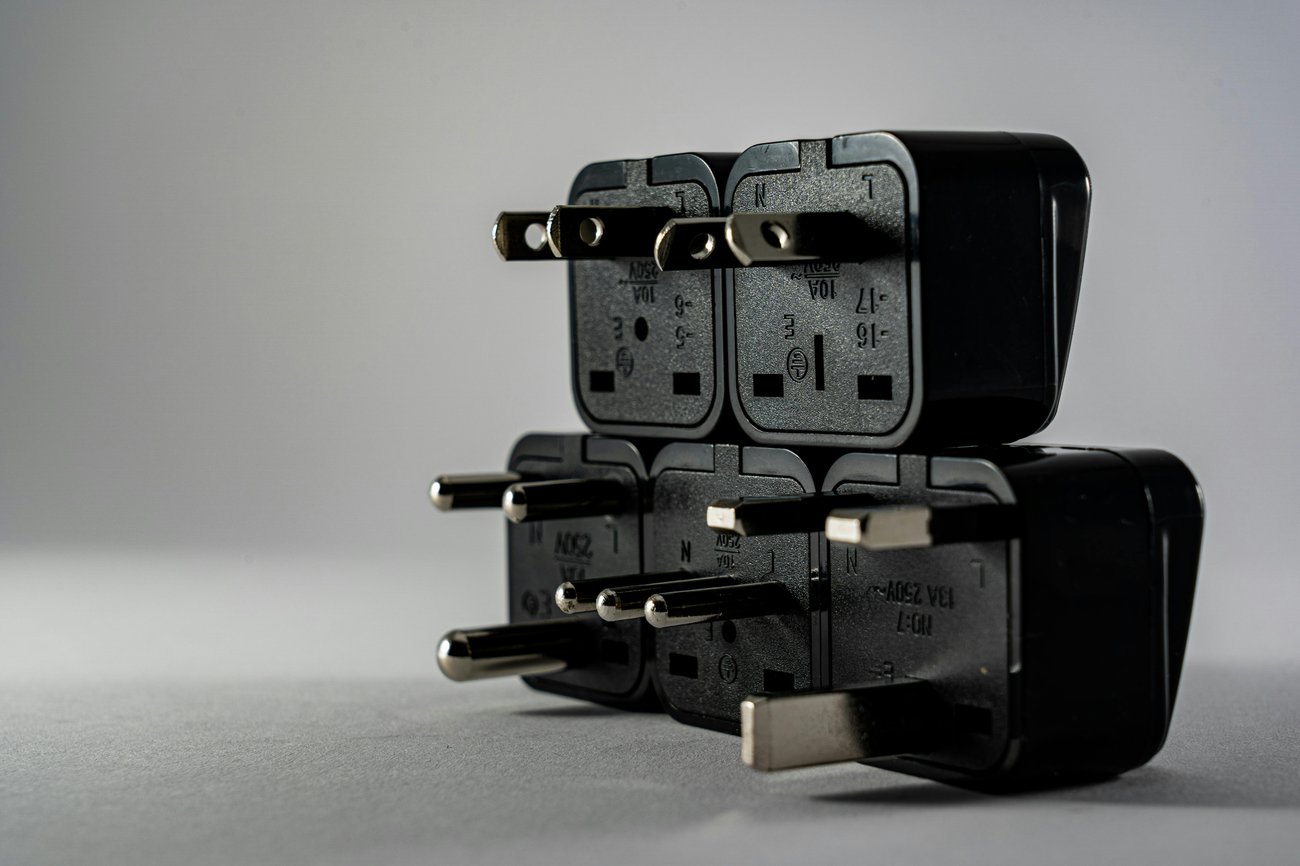
  • Items don’t always ‘translate to New Zealand’.  For example many US appliances are not compatible with New Zealand voltages and oversized furniture is not always compatible with New Zealand housing

  • Buying locally can work out cheaper in the long run.  For people moving here permanently, saving on shipping costs and spending the money on buying new furniture and homeware in NZ is an option worth assessing
3 Practical Tips for a Smooth Move

To stay ahead of disruption and protect your budget:
  • Book early: Aim for at least 2 months in advance
  • Consider groupage: Share a container if you don’t have a full load
  • Send essentials by air: Using an unaccompanied airfreight service to to send a few additional suitcases or boxes, which arrive within 1–3 weeks can be a helpful and cost efficient solution

At Mobile Relocation, we help families:
  • Decide what’s worth shipping
  • Avoid unnecessary cost and stress
  • Set up efficiently on arrival


The ongoing conflict involving Iran is contributing to higher fuel prices, reduced container availability and deleted shipping routes as explained in our latest article with all the data and latest insights from shipping expert Matthew Woodley.


Read the full article here


Relocating to New Zealand opens up a whole new world of adventure for our expat and migrant clients, and winter (June-August) is no exception.

From snowy escapes to sunny island retreats, here's our insider guide to how the Kiwi holidays during the cooler months.


Read the full article here
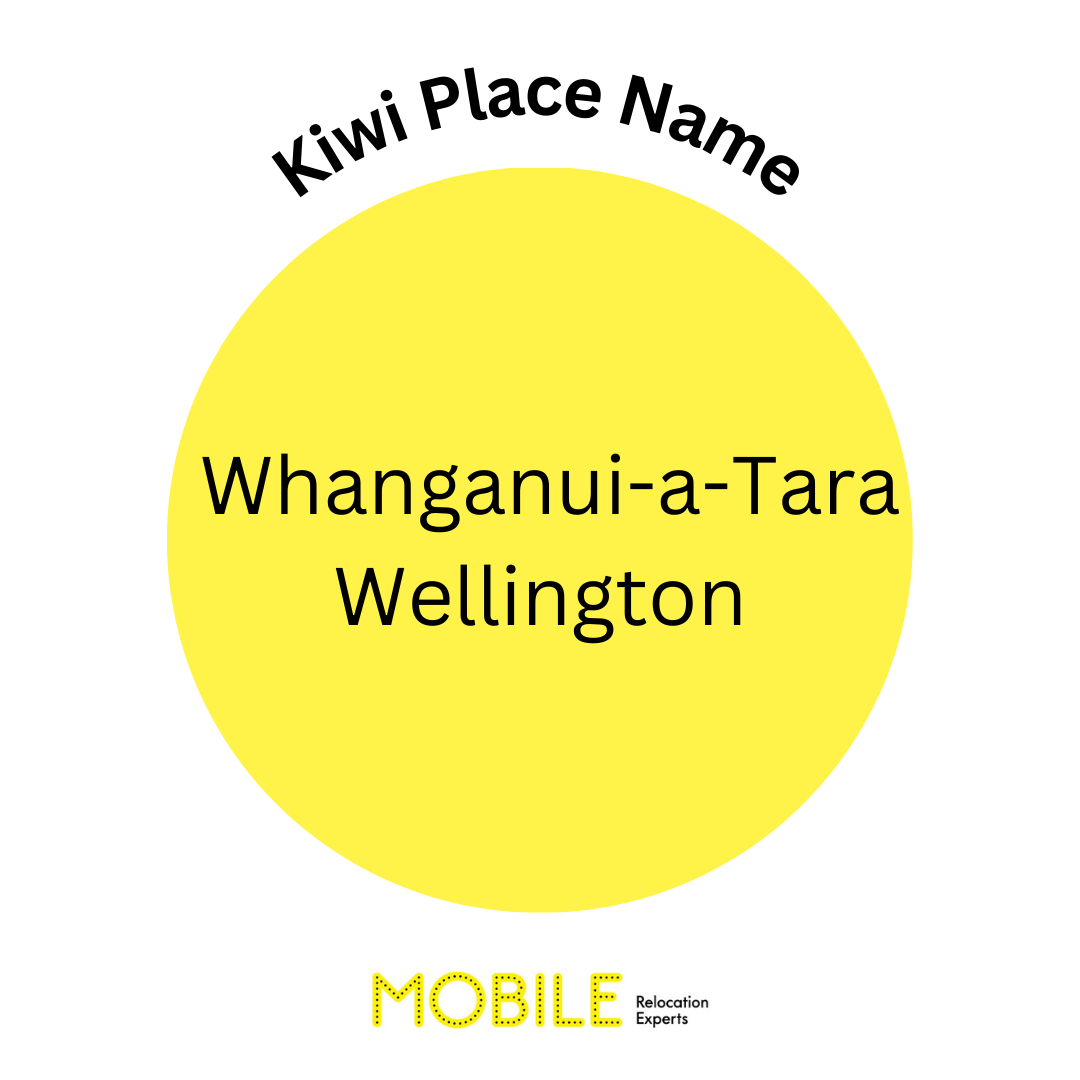
Kiwi place names - Wellington - Te Whanganui-a-Tara

New Zealand's capital city is Wellington – Te Whanganui-a-Tara.

Te Whanganui-a-Tara translates to "The great harbour of Tara". (Whanga meaning "harbour or bay".) When you look at Wellington's geography, the name perfectly describes the city's defining physical feature—the massive, sweeping natural harbour that the capital is built around. The name honours Tara, an early Polynesian explorer and ancestor who settled the area centuries ago.

The English name is in remembrance of the Duke of Wellington who was victorious over the French army at the Battle of Waterloo in 1815.

For more frequent updates on global relocation and life in New Zealand:

 
If you think any part of this newsletter would be helpful to someone else in your circle, please feel free to pass it along.
Facebook
 
Linkedin
 
Instagram
 
Website
 
Email

Email Marketing by ActiveCampaign